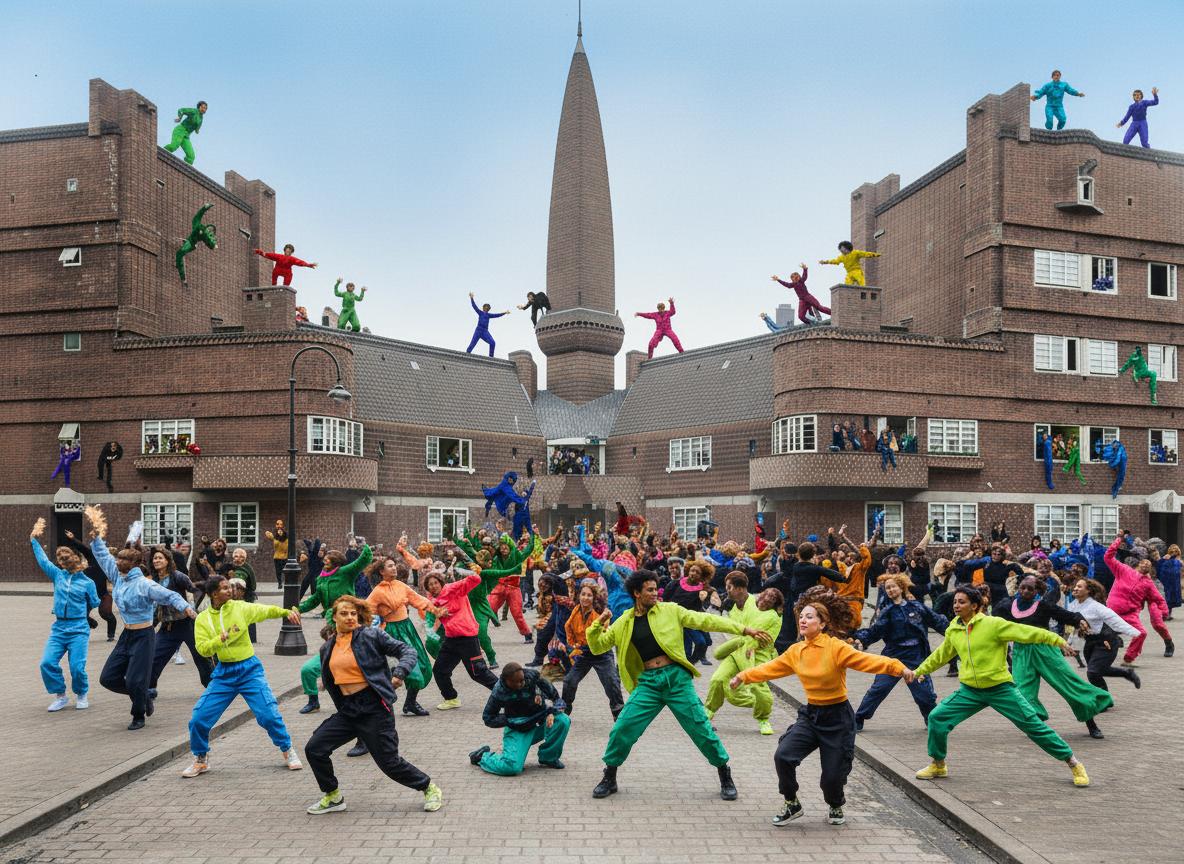
I learned about architecture by writing about it for people who knew little about it. That turned out to be great training – until I started writing for architects themselves. Good people, but like many professionals, they’re sometimes overly attached to their fancy words. This gobbledygook, as it turns out, is catching. And it’s also, mostly, beside the point: buildings end up speaking for themselves.
The old line goes, “writing about music is like dancing about architecture.” It means you’re wasting your time trying to sum something up with mere dumbass words. The phrase likely gained popularity among musicians annoyed at critics trying to sum everything up with their dumbass wordiness.
This view is often true. Why overthink it? If the music rocks, it rocks. If it grooves, it grooves. If you feel it in your loins, you feel it in your loins. What else matters?
When I first heard the quotation, the credit went to David Byrne. But it’s actually been attributed to everyone from Laurie Anderson to Frank Zappa. A version of it, “writing about music is as illogical as singing about economics”, first appeared in print in 1918. So, it’s been around and has mutated, like a good folk song.
The music critic Robert Christgau hated the expression. His response: dancing is usually about architecture. “When bodies move in relation to a designed space, be it stage or ballroom or living room or gymnasium or agora or Congo Square, they comment on that space whether they mean to or not.”
Not bad for mere dumbass words.
And the phrase actually blames the wrong thing. Words don’t fail music. Jargon does.
The drive to gobbledygook
In Amsterdam, writing about architecture meant newspapers, magazines, and city guides – writing for people who wanted to learn about a new city through the stories behind its buildings. Cutting the jargon, avoiding boring shit, and getting to the thing that makes someone stop on the sidewalk, look up and around, and hopefully go, wow. And perhaps wonder: They built all this on bog?!?
Read: ‘Bogs, beer and business sense:
A short history of Amsterdam architecture’
None of these stories required a glossary.
When I started writing directly for architects – websites, project proposals, press releases, profiles – I assumed they’d want the same thing. Clarity. Accessibility. Sentences aimed at the people most likely to hire them.
After the first draft, the jargon would often creep back in. Terminology that made perfect sense within the discipline but sounded like gobbledygook outside it. Clients would re-introduce phrases like “a building’s program” rather than directly stating what the building is used for, whether it’s a hospital, home, morgue, cinema, or mixed-use (morgue-cinema).
They would try to sneak in “activated frontage” instead of just saying they want to create a lively street level. And what the hell is a “parti”? It sounds like misspelled fun.
Even MVRDV, which build amazingly ambitious, crowd-pleasing buildings, seem oddly determined to baffle a mass audience with their words. In one of their (many) manifestos, an “activator” generates “inhabitable surfaces” that “stimulate activities”. Don’t they just want their buildings to be fun? And shouldn’t the term “activator” have stayed in the shampoo commercial it escaped from?
Expertise makes you a worse communicator, not a better one.
The curse of knowledge
I’m not out to pick a fight with architects. Full disclosure: I just wanted to see how far I could push that “dancing about architecture” phrase. It’s a conceit. And we writers love a good conceit almost as much as architects love a good parti.
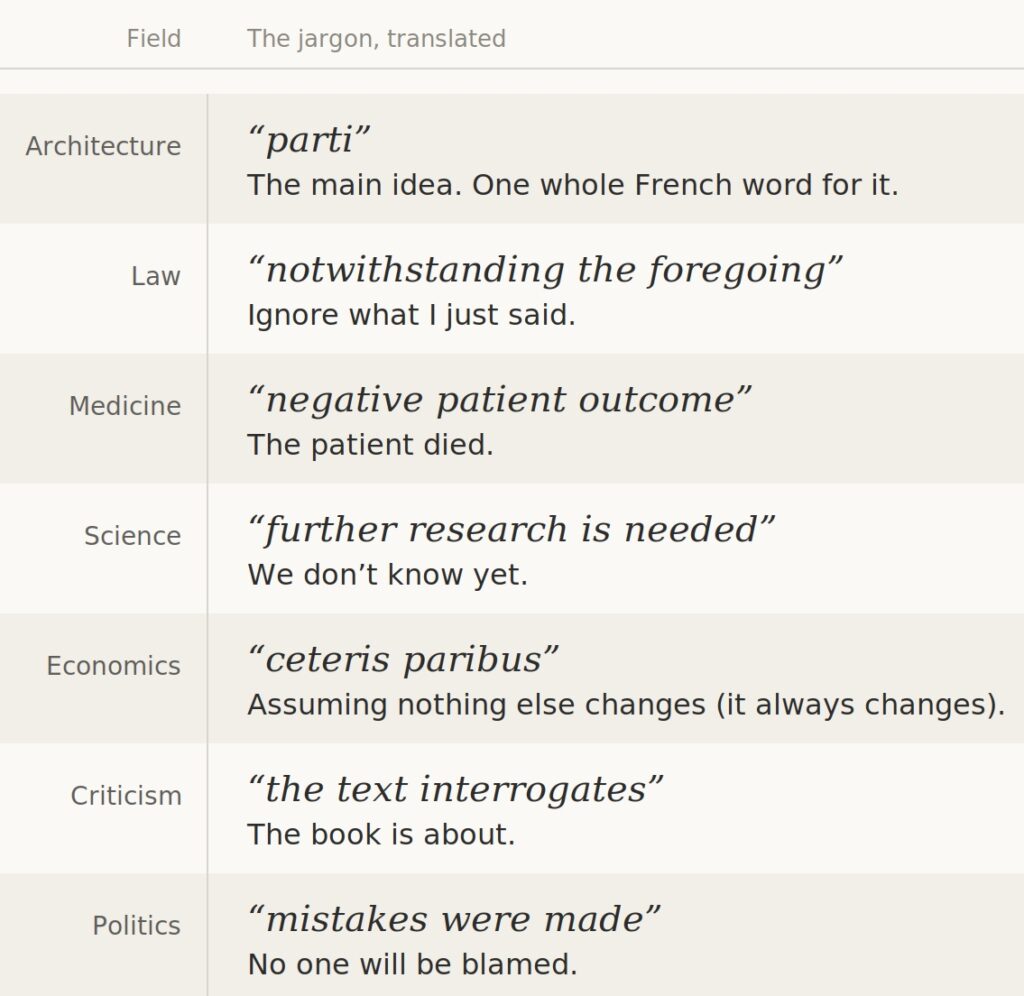
We’re all guilty of this: lawyers writing in legalese that other lawyers can’t even follow, doctors writing patient records that don’t meet basic readability standards and scientists writing their supposedly “plain-language” summaries while spewing a wall of jargon. Writers are no better: Conceit. Voice. Arc. Please shoot us: liminal.
There’s a name for this. Economists identified it in 1989 and called it the curse of knowledge: the better you understand something, the harder it gets to remember what not understanding felt like. Expertise makes you a worse communicator, not a better one. So you end up writing – haplessly – for the approval of other experts. The research is blunt about this: jargon works less as a means of communication than as a status badge within a club.
And those are two different crimes wearing the same coat. The curse of knowledge is an accident: you genuinely forgot what confusion feels like. The status badge is a choice: you know exactly how confusing “activated frontage” sounds, and that’s the point. One you forgive. The other you don’t.
Admittedly, architecture may have it worse because the peer audience is so visually sophisticated and the vocabulary so well developed that staying within it feels not just natural but correct. And that’s great when they’re amongst themselves. But the people who commission, fund, inhabit, and fall in love with buildings are rarely other architects. Yet most architectural communication assumes they are.
Architecture is way too important to leave to the architects.
And the longer I write for architects, the more I unconsciously use their fancy words myself – even parti. I catch myself writing “program” without flinching. “Spatial experience” without irony. I try to catch these strays and castrate them. But I’m not always sure I do.
Oh, the curse.
A counter tradition
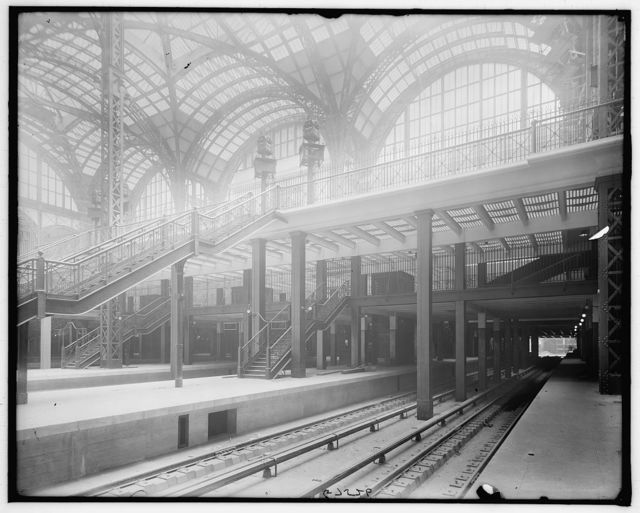
Happily, there’s another path. Writers like Ada Louise Huxtable, Reyner Banham, Jonathan Glancey – and closer to home, Bernard Hulsman – built careers translating architecture for readers who’d never heard of a piloti or a datum line, and in doing so shaped what got built and what got saved. When New York demolished Pennsylvania Station in 1963, Huxtable’s outrage helped galvanise the preservation movement that, a decade later, saved Grand Central Terminal and countless buildings after it. Architecture is way too important to leave to the architects.
It’s not just architecture, of course. Any profession that mistakes complexity for authority does the same – politics loudest of all.
Heavy buildings
Christgau had a point bigger than he probably intended. If buildings, like dancers, comment on the space around them, whether they mean to or not, then jargon was never really the disease. It’s the smokescreen – the thing architects can control. What a building actually says, they often can’t.
As I learned from Amsterdam, buildings tell stories – and the clearer you tell them, the harder it gets to hide what a building is really for. Usually that’s harmless: a morgue, a cinema, the occasional morgue-cinema. Sometimes it’s not. In trying to understand the complexities of post-war ex-Yugoslavia, I wrote ‘Arkantecture: A Field Guide to Serbian Gangster Kitsch’, centred on the pink marble mansion of warlord Arkan: phallic cupolas, small gun-port windows, a ground-floor bakery, and enough local gossip to make a cab driver very careful about what constituted a safe shooting distance.
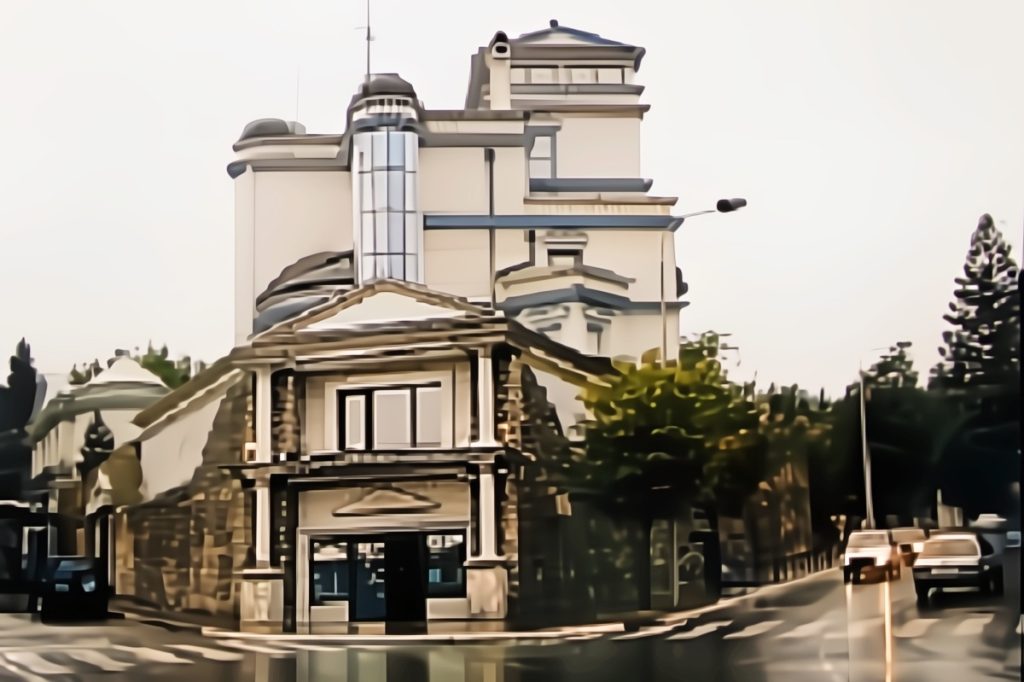
This was a building belonging to a man on Interpol’s most wanted list for a decade – yet, like a lot of architecture, it screamed: “Look at me!” The difference is what it’s asking you to look at. Arkan’s tower was architecture as self-mythology, as nationalist propaganda, as what happens when kitsch and psychosis share a floor plan. Better Homicide and Garden. Architecture has always been capable of carrying the worst of us as easily as the best, sometimes in the same building, sometimes next door.
The Soviet Space Age makes the same point on a larger scale. The Soviets built trippy, idealistic cosmic-kitsch – spaceship sanatoria, bus stops like landing craft – that still look like they’re dreaming of a better world. Meanwhile: gulags.
To the stars!
Carrying the weight
Which brings me, most recently, to editing a publication about the National Holocaust Museum Amsterdam. Two buildings that carry the worst of what humans are capable of – but this time, unlike the Arkan tower, the architecture is on the right side of it. And one of the buildings also represents the best of humanity, having served as a place of great courage in the rescue of 600 Jewish school children. Together, they’re built to hold memory without performing it. Never again. To write about that clearly, without jargon, for anyone who’ll read – that’s not making light of the weight. That’s the only way to carry it.
But if you’ll excuse me, I’m going outside to dance about some buildings, which, as Christgau would tell you, is not a complete waste of time.
Read: ‘Bogs, beer and business sense: A short history of Amsterdam architecture’


